On this page
- Understanding Your Motivations
- Legal and Administrative Requirements
- Citizenship and Residency
- Financial and Tax Obligations
- Housing and Real Estate
- Employment and Business Opportunities
- Healthcare System Navigation
- Education for Families
- Cultural Reintegration
- Practical Daily Life
- Infrastructure and Services
- Financial Management
- Staying Connected
- Regional Considerations
- Spotlight on Trebinje: A Rising Destination for Returnees
- Common Challenges and How to Overcome Them
- Resources and Next Steps
- Conclusion
The pull of home is undeniable. Whether you left as a child clutching your parents’ hands or as a young adult seeking opportunities abroad, the Western Balkans have a way of calling you back. In recent years, we’ve witnessed a remarkable trend: diaspora members are returning home in growing numbers, drawn by a combination of remote work opportunities, lower costs of living, and an irresistible desire to reconnect with their roots.
If you’re reading this, you’re likely contemplating that same journey. Perhaps you’re tired of the relentless pace of Western life, or maybe you want your children to grow up knowing their heritage. Whatever your reasons, this comprehensive guide will walk you through everything you need to know about returning to the Western Balkans—from legal requirements to cultural reintegration, and from housing considerations to finding your community.
This guide covers the diverse landscape of the Western Balkans, including Serbia, Bosnia and Herzegovina, Croatia, Montenegro, North Macedonia, and Albania. While each country has its unique characteristics, many challenges and opportunities are shared across the region.
Understanding Your Motivations
Before you book that one-way ticket, it’s crucial to understand why you’re making this move and what you’re truly hoping to find.
Common reasons diaspora return include:
Family ties remain the most powerful draw. Aging parents, the desire to raise children near grandparents, or simply reconnecting with extended family motivates many returnees. The Western Balkans maintain strong family bonds that can feel refreshingly genuine compared to more individualistic Western societies.
Economic factors play an increasingly significant role. The cost of living in most Western Balkans cities is a fraction of what you’d pay in North America, Western Europe, or Australia. Your savings go further, property is more affordable, and for remote workers earning Western salaries, the financial advantages are substantial.
Quality of life considerations matter too. Many returnees cite slower pace, stronger community connections, excellent food, and Mediterranean climate (in certain regions) as major attractions. The work-life balance, while imperfect, often feels more human-scaled than the corporate grind abroad.
Reality check: Nostalgia vs. current reality
Here’s the uncomfortable truth: the place you remember is not exactly the place you’ll return to. If you left as a child, your memories are filtered through a child’s perspective and nostalgia’s rose-colored lens. If you left as an adult, the region has evolved—sometimes dramatically—in your absence.
The Western Balkans of today feature modern shopping centers alongside traditional markets, espresso bars with excellent Wi-Fi next to kafanas, and a younger generation that’s more globally connected than ever before. But infrastructure can still frustrate, bureaucracy remains Byzantine, and the economic realities are challenging for many locals.
Take time to visit—really visit—before committing. Spend a few months if possible, experiencing winter and summer, navigating daily tasks, and getting a feel for contemporary life rather than vacation life.
Short-term vs. permanent relocation
Consider starting with a trial period. Rent rather than buy initially. Keep your options open professionally. Many successful returnees took a gradual approach, testing the waters before fully committing. Others maintain a foot in both worlds, spending several months each year in the Balkans while maintaining a base abroad.
Questions to ask yourself:
- Can I maintain my current income remotely, or do I have a realistic plan for local employment?
- How will my family adapt, especially children or a non-Balkan spouse?
- Am I prepared for potential frustrations with bureaucracy and infrastructure?
- Do I have realistic expectations about salary levels and career opportunities?
- Can I afford the transition period while I establish myself?
- What’s my backup plan if things don’t work out?
Legal and Administrative Requirements
Citizenship and Residency
If your parents or grandparents were citizens, you likely qualify for citizenship by descent. The specific requirements vary by country, but generally you’ll need:
Birth certificates (yours and your ancestors’), marriage certificates, proof of ancestry’s citizenship, documentation that citizenship was never formally renounced, and various apostilled and translated documents. The process typically takes 6-18 months and requires working with embassies or consulates abroad, though you may need to complete final steps in-country.
Dual citizenship considerations
Most Western Balkans countries now permit dual citizenship, though rules vary. Bosnia and Herzegovina, Serbia, Montenegro, and North Macedonia generally allow dual citizenship. Croatia permits it under certain conditions. Albania recognizes dual citizenship for diaspora. Check your current country of residence as well—some nations restrict dual citizenship, which could affect your decision.
Residency permits and requirements
If you’re not pursuing citizenship immediately, you’ll need residency permits. Requirements typically include proof of accommodation (lease or property ownership), proof of financial means or employment, health insurance coverage, clean criminal record, and valid passport. Temporary residency usually starts with one-year permits, renewable annually, with permanent residency available after 3-5 years of continuous residence. The residency permit guide runs the full Bosnia process, grounds and fees.
Financial and Tax Obligations
Tax residency rules
You generally become a tax resident after spending 183 days in a calendar year in most Western Balkans countries. Tax residency means you’ll owe taxes on worldwide income to that country, though double taxation treaties usually prevent paying twice on the same income.
Understanding these rules is crucial, especially for remote workers. You may need to register as a self-employed person or establish a business entity even if you’re working for a foreign employer. Consult with tax advisors in both your departure and destination countries before making the move.
Double taxation agreements
The good news: most Western Balkans countries have double taxation treaties with major Western nations. These agreements typically allow you to credit taxes paid in one country against obligations in another. However, the treaties vary in specifics, and you’ll need to file in both countries and provide documentation.
Banking requirements
Opening a local bank account is essential and usually requires residency registration, proof of address, identification documents, and sometimes a local tax number. Major banks in larger cities are accustomed to working with returnees and diaspora. The bank account guide for foreigners breaks down the non-resident vs resident distinction and which banks work best. Online banking is well-developed in most Western Balkans countries.
Be prepared for your foreign bank to close or restrict your account once you’re no longer a resident abroad. Plan your banking transition carefully, maintaining access to funds during your relocation period.
Pension transfers and social security
If you’ve worked abroad, investigate whether you can transfer pension contributions or whether bilateral agreements allow your foreign work years to count toward local pension requirements. The EU and many countries have totalization agreements with Western Balkans nations, but the details matter enormously.
For those receiving pensions or social security from abroad, confirm that benefits can be paid to you as a foreign resident and understand any tax implications.
Currency and money transfers
Most Western Balkans countries use their own currencies (Serbian dinar, Bosnian mark) though Montenegro and Kosovo use the Euro. Croatia adopted the Euro in 2023. Exchange rates fluctuate, and converting large sums requires planning.
For ongoing money transfers, services like Wise, Revolut, or traditional wire transfers each have advantages. Research fees carefully—they add up quickly on regular transfers.
Housing and Real Estate
Renting vs. buying: pros and cons
Renting first is almost always advisable. It gives you time to understand neighborhoods, experience different seasons, and ensure the location works for your lifestyle before committing large sums. Rental markets exist in all major cities, though they’re less formalized than in Western countries.
Advantages of renting include flexibility to relocate if your initial choice doesn’t work, time to understand the local market before buying, lower upfront costs, and no responsibility for major repairs. You’ll typically pay first and last month’s rent plus a deposit, and many landlords prefer cash payments.
Buying makes sense once you’re certain of your location and long-term plans. Property prices remain significantly lower than Western Europe or North America, though they’re rising in desirable areas. Your foreign currency savings can purchase substantial properties outright.
Real estate market overview
The market varies dramatically by location. Coastal areas command premium prices. Historic city centers are expensive but charming. Modern developments offer convenience but less character. Rural properties are remarkably affordable but may lack infrastructure.
Belgrade, Sarajevo, Zagreb, and other capitals have the highest prices but the most amenities. Secondary cities offer excellent value with good infrastructure. Trebinje and similar smaller cities are emerging as sweet spots—affordable, well-located, and increasingly connected.
Expect to pay €500-1,500 per square meter in most cities, though prime locations exceed this range. Coastal properties and tourist areas command significantly higher prices.
Property ownership laws for diaspora
Most Western Balkans countries allow diaspora and foreigners to purchase property, though restrictions exist in certain cases. Bosnia and Herzegovina has entity-level variations—regulations differ in Republika Srpska versus the Federation. Some countries restrict agricultural land purchases by foreigners. Coastal and border areas sometimes have special restrictions.
Research specific regulations for your target country and region. Local real estate attorneys are essential—their fees are money well spent.
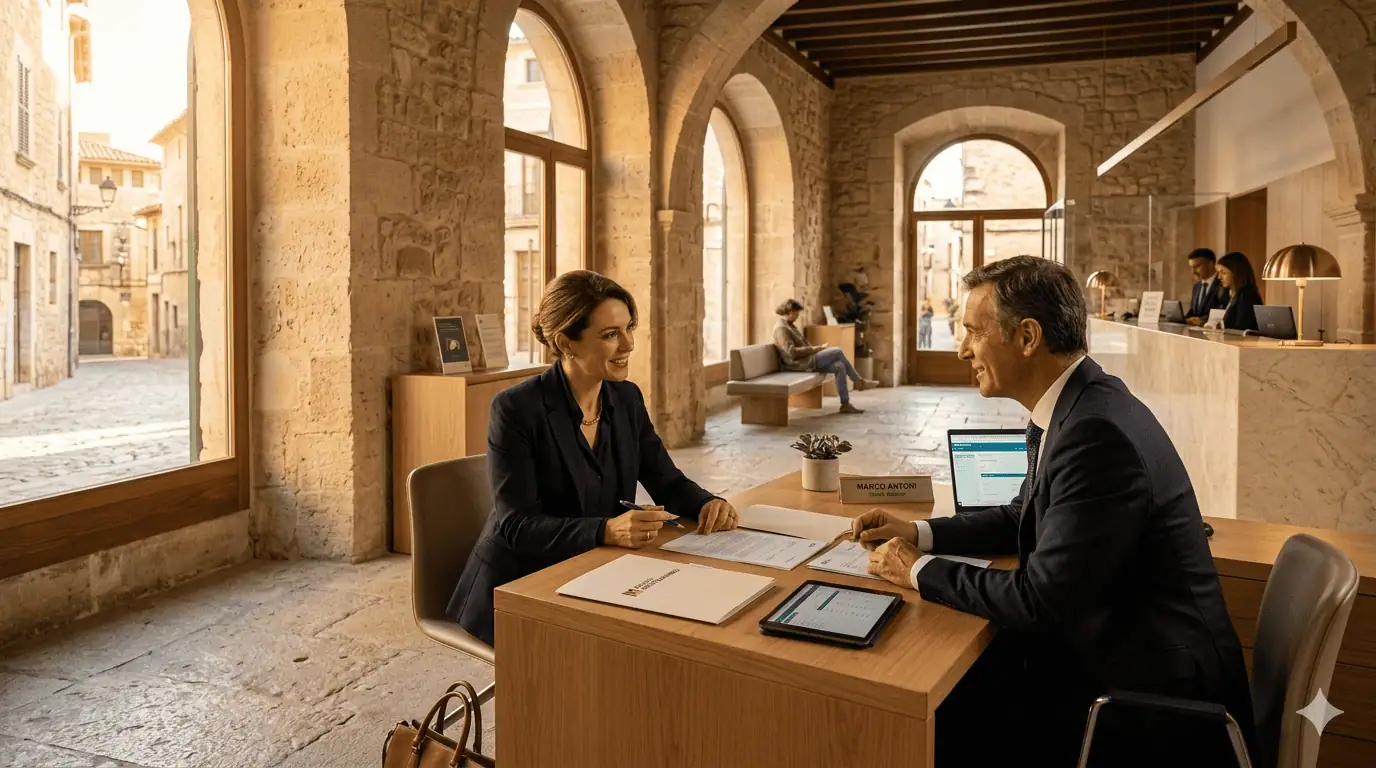
Working with real estate agents and legal advisors
The real estate profession is less regulated than in Western countries. Agents range from sophisticated professionals to informal operators. Get recommendations from other returnees, verify multiple listings independently (many agents share properties), and never pay significant money without legal representation.
Hire a local attorney for any property transaction. They’ll conduct title searches, verify ownership chains, check for liens or disputes, review contracts, and ensure proper registration. This costs a few hundred euros and can save you from catastrophic mistakes.
Common pitfalls to avoid
Unclear title is the biggest risk. Properties may have multiple inheritors who never formalized ownership, disputed boundaries, illegal construction or additions, or unresolved restitution claims from the 1990s conflicts. Your attorney should uncover these issues.
Other problems include informal agreements that aren’t legally binding, cash transactions without proper documentation, unrealistic promises from sellers or agents, and pressure to decide quickly. Take your time. Have everything in writing. Use the legal system.
Renovation and construction considerations
Older properties often need substantial work. Before buying a fixer-upper, get realistic renovation estimates. Construction costs are lower than abroad but rising. Finding reliable contractors requires recommendations and references—expect some projects to take longer than promised.
Building permits are required for major renovations. Navigate this bureaucracy with patience and local help. Some returnees hire project managers who understand both the local system and international expectations.
Employment and Business Opportunities
Job market realities
Let’s be direct: local salaries in the Western Balkans are dramatically lower than in Western countries. Average monthly salaries range from €400-800 in most sectors, with higher earnings in IT, finance, and senior management positions. Unless you’re in a specialized field or accept a substantial pay cut, finding local employment that matches your previous earnings is unlikely.
Certain sectors offer better opportunities including IT and software development, tourism and hospitality management, international business and consulting, language services and translation, and education (particularly international schools or universities). International organizations, embassies, and foreign companies operating in the region may offer closer-to-Western compensation.
Remote work options
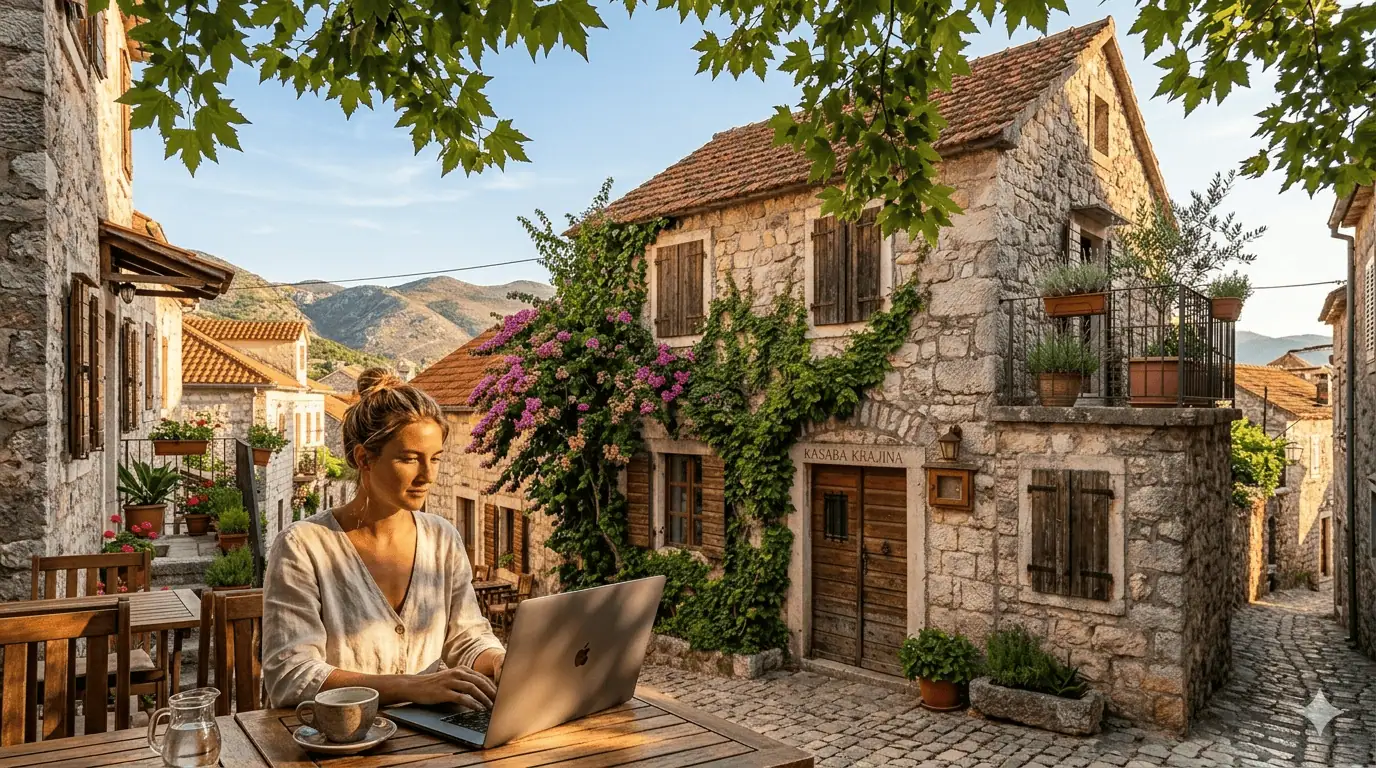
This is the game-changer for many returnees. If you can maintain your current remote position or find remote work with international companies, you’ll enjoy an excellent standard of living. The cost of living advantage combined with Western earnings creates financial comfort impossible for most local workers.
Internet infrastructure in cities is generally excellent, with fiber optic connections widely available. Co-working spaces are emerging in larger cities. Time zone differences with the US can be challenging (6-9 hours), but European time zones align perfectly.
Starting a business
Entrepreneurial returnees are establishing businesses ranging from tourism operations to tech startups to import/export ventures. The lower cost of doing business and your international perspective and connections provide advantages.
However, bureaucracy remains challenging. Business registration requires multiple steps across different agencies, tax and accounting obligations are complex, inspections and permits can be unpredictable, and informal business practices (cash economy, under-the-table dealings) remain common. Hire a local accountant immediately. Their knowledge of the system and relationships with officials are invaluable.
Professional licensing and credential recognition
If you hold professional licenses from abroad (medical, legal, engineering, teaching), recognition isn’t automatic. Each country and profession has specific requirements. Some professions require local exams or additional education. Medical professionals face particularly stringent requirements. Teachers may need to complete domestic certification. Architects and engineers often need local licensing.
Research your specific situation early. This process can take months or years and may affect your timeline for returning.
Networking and professional associations
Professional networks matter enormously in the Western Balkans. Business often happens through personal connections. Join professional associations in your field, attend business events and conferences, connect with other returnees who’ve started businesses, and use LinkedIn actively—it’s increasingly popular among professionals.
The diaspora network itself is valuable. Other returnees understand the challenges you’re facing and often become collaborators or clients.
Salary expectations and cost of living
If accepting local employment, expect monthly salaries of €500-1,200 for most positions, €1,200-2,500 for mid-level professionals, and €2,500+ for senior management or specialized roles (still lower than Western equivalents). However, your cost of living drops proportionally with rent at €200-500 for good apartments in most cities, €50-100 for utilities, €200-400 for groceries for a family, and €20-40 for restaurant meals.
Healthcare System Navigation
Public vs. private healthcare
Healthcare systems vary by country but generally include public insurance covering basic care and private insurance or cash payment for faster service and more comprehensive care. The quality gap between public and private care can be significant.
Public healthcare provides universal coverage, very low or no direct costs, and established hospitals and clinics. However, expect long wait times for specialists or procedures, variable quality depending on location, and sometimes outdated facilities or equipment.
Private healthcare offers short or no wait times, modern facilities and equipment, English-speaking staff in major cities, and more personalized care. Costs remain far lower than US private healthcare but higher than public options.
Many returnees use a hybrid approach: public insurance for basic needs and emergencies, and private care for specialist visits, dental work, and non-urgent procedures.
Health insurance requirements
As a resident, you’re typically required to have health insurance. If employed, your employer enrolls you in public insurance. Self-employed individuals must register and pay monthly contributions (usually €50-150). Private insurance is optional and supplementary, costing €30-100 monthly for comprehensive coverage.
Some returnees maintain international health insurance initially, transitioning to local coverage once established.
Registering with the healthcare system
Registration processes vary by country but generally require residency registration, selection of a primary care physician, and enrollment with the national health insurance fund. Your chosen doctor becomes your entry point to the system, providing referrals to specialists.
Quality of care: what to expect
Healthcare quality varies significantly. Major cities have excellent specialists and modern facilities. University hospitals often provide high-quality care. Private clinics in capitals rival European standards.
However, smaller towns may have limited specialists, rural areas can lack basic facilities, and medical supplies or equipment shortages occasionally occur. For serious conditions or complex procedures, many people travel to major cities or abroad.
The medical professionals themselves are often well-trained, with many educated abroad. Language is rarely a barrier for diaspora, though international spouses may need translation help.
Prescription medications
Many medications available by prescription-only abroad are available over-the-counter in the Balkans. Pharmacies are knowledgeable and helpful. Costs are generally low, with many generic medications costing just a few euros.
If you take specialty medications, verify availability before moving. Some newer or rare medications may not be available or may require special ordering.
Education for Families
Public vs. private schools
Public schools are free and follow national curricula. Quality varies enormously by location and specific school. Urban schools generally outperform rural ones. Certain schools have excellent reputations and long waiting lists.
For returnee children, especially those who don’t speak the local language fluently, public school can be challenging. Immersion works for younger children but older kids struggle with curriculum content in an unfamiliar language.
Private schools offer smaller classes, often bilingual or English instruction, international curricula (IB, British, American), and more resources and extracurriculars. Costs range from €3,000-12,000 annually—expensive locally but far less than international schools abroad.
International schools
Major cities have international schools serving expat and diaspora families. These schools follow international curricula, teach in English, employ international teachers, and facilitate eventual reintegration abroad if needed.
Belgrade, Sarajevo, Zagreb, and other capitals have established international schools. Smaller cities have limited or no options. Trebinje families often consider Dubrovnik international schools or boarding options.
University education
Universities in the Western Balkans offer good value. Public universities charge minimal tuition (often under €1,000 annually for citizens). Private universities are more expensive but still affordable by Western standards.
Academic quality varies by institution and program. Technical fields, medicine, and law have strong traditions. Some programs offer instruction in English to attract international students.
Many diaspora students attend Balkan universities before pursuing graduate degrees abroad, combining family connection with international credentials.
Language considerations for children
This is perhaps the biggest challenge for returnee families. Children who’ve never lived in the Balkans or left very young may not speak the language at all or only at a basic conversational level.
Younger children (under 10) adapt remarkably quickly, often becoming fluent within a year. Teenagers struggle more, particularly with academic language and literacy. Consider intensive language courses before or immediately after arrival, homework support and tutors, patience as they adjust socially and academically, and realistic timelines—full fluency takes 2-3 years.
Some families succeed with bilingual or international schools while children learn the language through social interaction. Others choose full immersion despite the difficult transition period.
Homeschooling and alternative education
Homeschooling regulations vary by country, with some allowing it freely and others restricting it significantly. Research your specific destination’s laws. The growing remote work community has created small pockets of alternative education options and homeschool cooperatives in some cities.
Cultural Reintegration
Managing reverse culture shock
Reverse culture shock surprises many returnees. You expect to feel at home immediately but instead feel caught between two worlds. Your perspectives have been shaped by living abroad. You notice things about Balkan culture—both positive and negative—that locals take for granted. Meanwhile, you’ve lost touch with current cultural references, social dynamics, and unwritten rules.
This disorientation is normal and temporary. Give yourself grace and time to readjust. Connect with other returnees who understand what you’re experiencing. Gradually, you’ll find your rhythm.
Language barriers (even for native speakers)
Even if you speak the language fluently, you may struggle with bureaucratic vocabulary, professional terminology in your field, slang and idioms that emerged while you were away, and formal vs. informal speech patterns. Reading and writing formal correspondence takes practice if you primarily spoke the language at home.
Don’t be embarrassed. Most people appreciate your effort and are happy to help. Your language skills will sharpen quickly with daily use.
Social customs and etiquette changes
Some things haven’t changed: coffee culture and taking time for socializing remain central. Sunday family lunches are sacred. Name days are celebrated alongside birthdays. You dress up more for everyday activities than in casual Western cultures.
But other things have evolved: younger generations are more internationally minded, social media dominates social organization, some traditional gender roles are shifting (slowly), and attitudes toward various topics have modernized.
Watch, listen, and ask questions when uncertain. People generally appreciate curiosity about cultural norms.
Building new social networks
This takes time and intention. Your old friends may have moved away or your lives have diverged significantly. You’re essentially starting over socially.
Strategies include joining clubs or sports leagues, attending cultural events and festivals, connecting through children’s schools, volunteering, participating in professional organizations, frequenting the same cafes and becoming a regular, and actively reaching out to acquaintances rather than waiting for invitations.
Social media groups for returnees and expats are invaluable for meeting people in similar situations.
Dealing with “ni ovde, ni tamo”
This Serbian phrase meaning “neither here nor there” perfectly captures the diaspora experience. You’re not quite local anymore—you’ve changed, gained different perspectives, have experiences that don’t translate. But you’re not foreign either—you understand the language and culture in ways outsiders never will.
This liminal identity can feel lonely. You’re too Balkan for your friends abroad and too foreign for some locals. You notice flaws in both societies. You miss aspects of your previous home while loving your current one.
There’s no resolution to this tension—it’s part of the diaspora experience. Many returnees eventually embrace this dual perspective as a strength. You offer unique insights precisely because you understand multiple worlds.
Connecting with other returnees
Other returnees become your tribe. They understand your experiences, share your challenges, don’t judge your cultural confusion, and often become lifelong friends. Actively seek these connections through social media groups, returnee-focused events, international schools and activities, co-working spaces, and community organizations.
Practical Daily Life
Infrastructure and Services
Internet and mobile phone services
Internet infrastructure is generally excellent in cities. Fiber optic connections offering 100+ Mbps are standard and affordable (€15-30 monthly). Multiple providers compete on price and service. Rural areas have improving but sometimes limited connectivity.
Mobile networks offer good coverage with 4G widely available and 5G rolling out in major cities. Prepaid SIM cards are easy to obtain and affordable. Unlimited data plans cost €10-20 monthly. EU roaming agreements apply in some countries (Croatia fully, others partially).
Utilities setup
Setting up utilities involves bureaucratic steps but is manageable with patience. You’ll need electricity, water, gas or heating fuel, garbage collection, and internet/TV/phone. Each typically requires separate registration with your residency documents, proof of address, and sometimes property ownership documents.
Utility costs are generally low compared to Western standards—typically €100-200 monthly total for an average apartment, varying by season (heating costs in winter) and consumption patterns.
Some utilities still require in-person payment or bank transfers. Automatic payments are increasingly available but not universal.
Public transportation
Cities have bus networks with frequent service, low fares (€1 or less per ride), and monthly passes available for regular commuters. Some cities have additional tram or trolleybus systems.
Quality and reliability vary. Major cities have decent systems. Smaller towns have limited routes and schedules. Google Maps transit directions work in most places.
Inter-city bus networks are extensive and affordable for regional travel. Train service exists but is often slow and outdated compared to Western Europe.
Driving: license conversion, vehicle registration, insurance
Foreign driving licenses are typically valid for 6-12 months after establishing residency. After that, you’ll need to convert to a local license. EU licenses may convert directly. Non-EU licenses often require written and practical exams, though bilateral agreements sometimes allow conversion without testing.
If importing a vehicle, expect customs duties and taxes (potentially substantial), registration and inspection requirements, and complex bureaucracy. Many returnees sell vehicles abroad and purchase locally.
Vehicle registration requires proof of ownership, valid inspection, insurance, and payment of registration fees. Annual registration renewal and inspection are required.
Insurance is mandatory and affordable compared to Western rates. Expect €200-400 annually for comprehensive coverage on an average vehicle.
Driving culture can be aggressive. Parking is often chaotic. Traffic enforcement varies from strict to non-existent. Road conditions range from excellent highways to potholed local roads.
Financial Management
Setting up utilities and automatic payments
Many utilities and services are transitioning to modern payment systems, but cash and traditional bank transfers remain common. Setting up automatic payments (domiciliacija) is possible with most utilities and becoming more standard.
However, some smaller services still require manual payment at post offices, banks, or via money transfer services. Keep some cash available for these transactions.
Local payment systems and apps
Cash remains king in the Western Balkans. Many small businesses, markets, and services operate primarily or exclusively in cash. ATMs are widely available in cities.
Card payments are increasingly accepted, especially in cities and larger establishments. Contactless payment is common. However, always carry cash as backup.
Banking apps from major banks offer full functionality for transfers, bill payment, and account management. Some regional payment apps exist but aren’t as dominant as Venmo or similar services abroad.
Cost of living breakdown by category
Here’s what you can expect to spend monthly (figures vary by city and lifestyle):
Housing: €200-500 for rent in secondary cities, €500-1,000 in capitals, €100-150 for utilities
Food: €200-300 for groceries for two people, €40-80 for weekly farmers’ market shopping, €8-15 for a restaurant meal, €1-2 for coffee, €3-5 for beer
Transportation: €20-40 for monthly public transit pass, €100-150 for monthly fuel costs if driving, €30-40 for vehicle insurance (monthly average)
Entertainment and leisure: €10-20 for cinema tickets, €20-50 for concert or theater tickets, €30-50 for gym memberships
Healthcare: €50-100 for health insurance premiums (if self-employed), €20-40 for private doctor visits, €5-15 for prescription medications
A couple living comfortably can expect monthly expenses of €1,000-1,500, with families requiring €1,500-2,500 depending on children and lifestyle. These figures allow for good quality of life—dining out regularly, entertainment, travel within the region.
Shopping: markets, supermarkets, and online options
Weekly farmers’ markets (pijaca) offer fresh produce, cheese, meat, and other staples at lower prices than supermarkets with excellent quality. Shopping at the pijaca is social and cultural as much as practical.
Supermarket chains include regional and international brands (Konzum, Mercator, IDEA, Aroma, Bingo, local chains). Prices are reasonable and selection is good for everyday items. International specialty items cost more or aren’t available.
Online shopping is growing but less developed than in Western countries. Some cities have grocery delivery services. E-commerce from regional or EU sites is possible though shipping costs and times vary.
For items unavailable locally, many returnees still order from abroad or bring things back from trips. This is particularly true for specialized items, certain brands, or hobby supplies.
Staying Connected
Maintaining ties with your previous country of residence
Most returnees maintain meaningful connections abroad—family, friends, professional contacts, and cultural ties. Modern technology makes this easier than ever.
Video calls via WhatsApp, Skype, or Zoom are free and reliable. Time zone differences require coordination but are manageable. Social media keeps you updated on friends’ lives. Online communities connect you with others from your previous location.
Don’t underestimate the emotional importance of these connections. Feeling isolated from your previous life can contribute to adjustment difficulties.
Travel logistics and frequency
Budget airlines make European travel affordable. Wizz Air, Ryanair, and others offer cheap flights to major cities. From the Western Balkans, you can reach most European destinations for under €100 return if booking in advance.
Regional airports include Belgrade, Sarajevo, Zagreb, Dubrovnik, Podgorica, Tivat, Skopje, and Tirana. Smaller cities like Trebinje use nearby airports (Dubrovnik, Tivat). Flight frequency increases in summer tourist season.
Many returnees visit their previous countries of residence annually or more often, especially initially. These trips help maintain relationships and ease the transition.
Managing family expectations on both sides
Family expectations can create stress. Relatives abroad may expect frequent visits back “now that you’re so close.” Family in the Balkans may assume you’ll be available for every gathering or expect you to provide financial support or help with various matters.
Setting boundaries is essential. Communicate your availability and limitations clearly. You’re reestablishing your life, which requires time and focus. Most family eventually adjusts to realistic expectations.
Technology solutions for staying connected
WhatsApp is universally used in the Balkans for messaging and calls. If family abroad doesn’t use it, convince them—it’s free and reliable.
Viber is also popular regionally. Facebook remains dominant for social networking. Instagram is growing, especially among younger people.
For work connections, Zoom, Teams, and Slack function well. VPN services help if you need to access region-restricted content from abroad.
Cloud storage (Google Drive, Dropbox, OneDrive) keeps documents accessible from anywhere. Digital banking allows you to manage accounts in multiple countries.
Regional Considerations
While this guide addresses common experiences across the Western Balkans, each country has distinct characteristics worth understanding.
Serbia offers the largest economy in the region, vibrant Belgrade with excellent nightlife and culture, affordable cost of living, and good digital infrastructure. However, it features complex bureaucracy and political tensions affecting EU integration.
Bosnia and Herzegovina provides stunning natural beauty and cultural richness, extremely affordable living costs, strong diaspora networks, and a unique multi-ethnic character. Challenges include complex political structure (two entities, three constituent peoples), slower economic development, and bureaucratic inefficiency.
Croatia boasts EU membership providing certain advantages, beautiful Adriatic coast, strong tourism economy, and relatively good infrastructure. However, expect higher costs especially in coastal areas, more formal bureaucracy, and seasonal employment patterns in tourist regions.
Montenegro offers compact size making everything accessible, dramatic natural beauty (mountains and coast), growing expat community, and the euro as currency. Considerations include small job market, high coastal property prices, and seasonal economy in tourist areas.
North Macedonia has the lowest cost of living in the region, beautiful nature and outdoor activities, relatively stable politics and EU candidate status, and friendly capital city (Skopje). However, it features limited international connections, smaller economy, and ethnic tensions.
Albania provides rapidly developing infrastructure and economy, beautiful Riviera and mountain regions, very affordable living, and growing international tourism. Challenges include language barrier for non-speakers, developing institutions, and less established expat infrastructure.
Spotlight on Trebinje: A Rising Destination for Returnees
Among the many destinations in the Western Balkans, Trebinje is emerging as an exceptional choice for diaspora returning home. This charming city in the southern part of Republika Srpska, Bosnia and Herzegovina, combines old-world charm with modern convenience, offering returnees a unique opportunity to enjoy authentic Balkan life with increasing international connectivity.
Why Trebinje is becoming a top choice
Trebinje has captured the attention of returnees for compelling reasons. It offers a genuine small-city experience where you quickly become part of the community while providing amenities and infrastructure that make modern life comfortable. Unlike major capitals where you might feel like just another resident, Trebinje offers the possibility of truly integrating into local life while maintaining connections to the wider world.
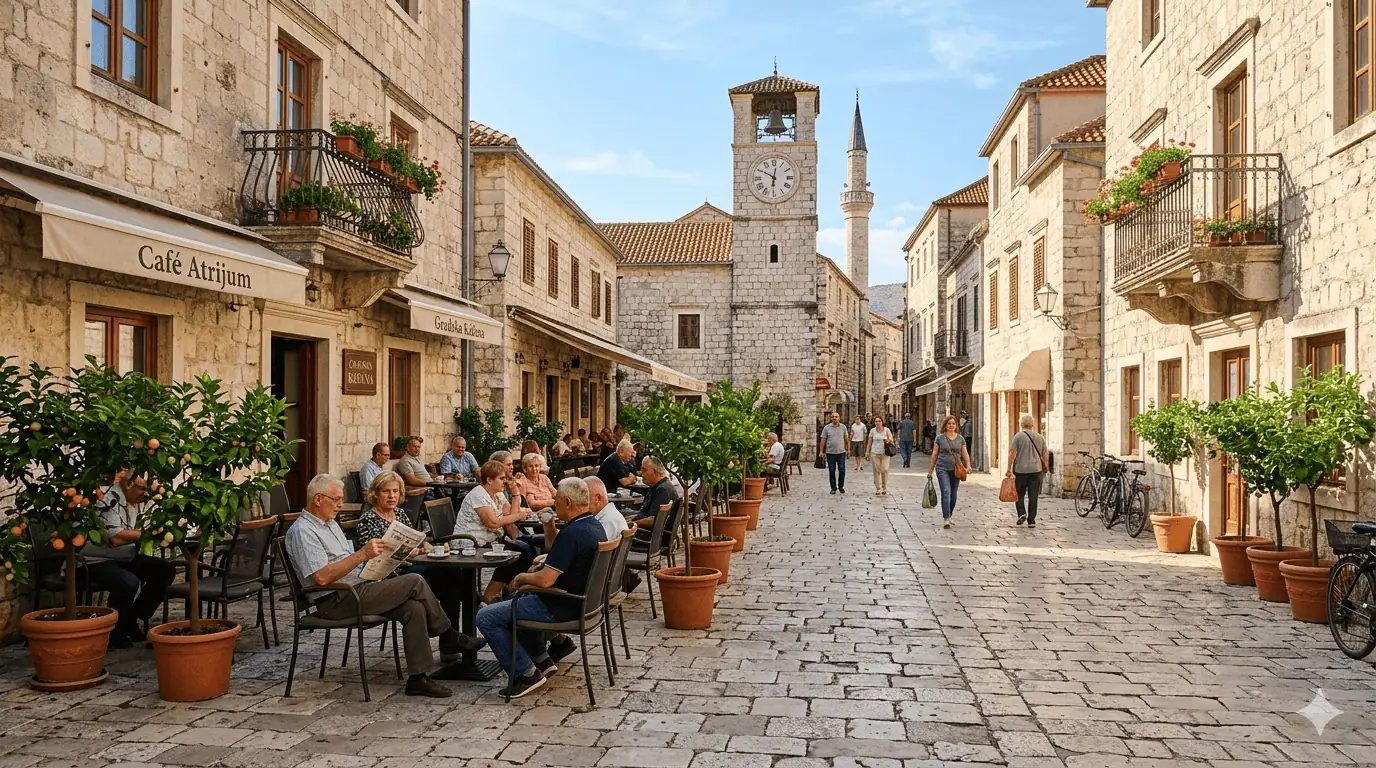
The city itself is stunningly beautiful, with an Ottoman-era old town, stone bridges, plane tree-lined streets, and surrounding vineyards creating an atmosphere that feels timeless yet vibrant.
Strategic location: The best of multiple worlds
Trebinje’s location is one of its greatest assets. Situated just 28 kilometers from Dubrovnik, Croatia, 50 kilometers from Herceg Novi, Montenegro, and 120 kilometers from Mostar, you’re positioned at the crossroads of three countries with easy access to multiple airports, beaches, and cultural centers.
Dubrovnik Airport serves as Trebinje’s primary international gateway, providing connections to major European cities year-round and extensive seasonal flights during summer months. Tivat Airport in Montenegro offers an alternative with good European connections. This accessibility means you’re never isolated—weekend trips to European capitals, family visits from abroad, and business travel are all straightforward.
The proximity to the Adriatic coast means you’re 30 minutes from beaches and the Mediterranean climate benefits without the inflated coastal property prices. You can enjoy morning coffee in Trebinje and lunch by the sea.
Quality of life: The Trebinje advantage
Trebinje offers an exceptional quality of life that’s difficult to match. The city enjoys over 260 days of sunshine annually, creating a Mediterranean climate that’s mild in winter and warm but not oppressively hot in summer. This weather encourages outdoor life year-round.
The pace of life is refreshingly slow without being stagnant. The city is large enough to have necessary amenities but small enough that you’re never stuck in traffic. Morning markets, afternoon coffee culture, and evening promenades along the Trebišnjica River create a rhythm that prioritizes human connection over constant productivity.
Safety is excellent—Trebinje consistently ranks as one of the safest cities in the region. Children play outside, people walk at night without concern, and the community-oriented culture means neighbors look out for each other.
Cost of living and real estate opportunities
Trebinje offers exceptional value. While prices have risen as the city gains recognition, it remains remarkably affordable compared to coastal areas or major capitals.
Real estate opportunities are diverse. You can find renovated apartments in the old town for €60,000-100,000, new construction apartments for €1,000-1,500 per square meter, houses with land just outside the city for €80,000-150,000, and renovation projects for those seeking character properties.
Daily living costs are equally attractive. Quality restaurants serve excellent meals for €8-12 per person. The weekly pijaca offers produce, cheese, and meat at prices that seem impossible to those coming from abroad. Monthly utility costs rarely exceed €100 even in winter.
Growing infrastructure and modern amenities
While maintaining its historic character, Trebinje has invested heavily in infrastructure. The city features excellent internet connectivity with fiber optic networks widely available, renovated public spaces and parks, modern shopping centers alongside traditional markets, and improving roads and public transportation.
Healthcare facilities are adequate for routine care, with more specialized services available in nearby Dubrovnik or travel to Banja Luka or Belgrade for major procedures. Private medical clinics are emerging to serve growing demand.
The city has several good restaurants, cafes, and wine bars reflecting the region’s strong wine-making tradition. Cultural activities include theaters, concerts, festivals, and exhibitions maintaining a surprisingly active cultural calendar for a city of 30,000.
Community and social life for returnees
One of Trebinje’s greatest strengths is its welcoming community. Unlike larger cities where you can feel anonymous for years, Trebinje’s size means you quickly become known in your neighborhood. Local businesses remember your preferences, you run into friends during errands, and the social fabric includes newcomers readily.
For returnees, this creates opportunities for genuine integration while the growing community of diaspora who’ve returned means you’ll find others who understand your experience. The TrebinjeLiving community on Facebook serves as a central hub for returnees and those planning to return, offering advice, connections, and support.
Through TrebinjeLiving, you can ask practical questions about logistics, connect with others before you arrive, find housing and service recommendations, learn about events and opportunities, and build your social network before setting foot in the city. Join the conversation at: https://www.facebook.com/TrebinjeLiving
Business and remote work ecosystem
Trebinje’s growing returnee community includes remote workers and entrepreneurs, creating an emerging ecosystem that supports modern work arrangements. While the city doesn’t have extensive co-working spaces yet, several cafes cater to laptop workers with good Wi-Fi and comfortable environments.
Internet reliability and speed support video calls, file transfers, and all typical remote work needs. The time zone (Central European Time) aligns perfectly with European clients and is manageable for US East Coast connections.
Entrepreneurs are establishing businesses in tourism, wine production and export, services for returnees, online businesses and consulting, and renovation and construction. The lower costs and quality of life allow businesses to operate profitably while maintaining better work-life balance than high-cost cities.
Healthcare and education
Trebinje has adequate healthcare facilities for primary care and common medical needs. The general hospital handles most routine situations. For specialized care, Dubrovnik is close for EU-standard private healthcare, while Banja Luka and Belgrade offer comprehensive medical centers.
Education includes several quality primary and secondary schools. For families seeking international education, Dubrovnik has international school options, though the commute is significant. Many families choose local schools for younger children who adapt quickly to the language, while older children might require more consideration.
Cultural attractions and lifestyle benefits
Trebinje’s cultural richness exceeds what you’d expect from a city its size. The old town features Ottoman-era architecture and bridges, numerous Orthodox churches and monasteries, wine cellars offering tastings, and artisan workshops. The city hosts festivals throughout the year celebrating wine harvest in autumn, cultural festivals in summer, religious celebrations, and music and arts events.
The surrounding region offers endless outdoor activities including hiking in nearby mountains, cycling along scenic routes, fishing in the Trebišnjica River, exploring local villages and monasteries, and wine tourism through the region’s vineyards.
Making Trebinje work for you
Trebinje isn’t for everyone. If you need extensive international schools, major international businesses for employment, or constant urban stimulation, larger cities serve better. If you require highly specialized medical care locally, you’ll face travel for treatment.
But if you value authentic community life, natural beauty and outdoor access, affordable living with good amenities, proximity to beaches and airports, genuine integration into local culture, and a slower pace without isolation, Trebinje deserves serious consideration.
Visit before deciding. Spend time in different seasons if possible. Connect with the TrebinjeLiving community to get honest insights from those who’ve made the move. Trebinje reveals itself slowly—the longer you stay, the more it grows on you.
Common Challenges and How to Overcome Them
Bureaucratic frustrations and patience strategies
Bureaucracy in the Western Balkans tests patience. Processes that should take minutes require multiple visits. Officials may provide contradictory information. Required documents change without warning. Offices have limited hours. Everything seems to require multiple stamps and signatures.
This isn’t personal—it’s systemic. The bureaucracy frustrates locals equally. Your strategies include always bringing more documents than requested, visiting offices early in the day when staff are fresher and lines are shorter, asking other returnees for specific office/official recommendations, hiring fixers for complex processes (this is normal and accepted), and maintaining calm and polite demeanor even when frustrated.
Remember that bureaucratic encounters are social interactions. Being friendly, patient, and occasionally bringing small gifts (coffee, chocolates) for helpful officials can smooth the process considerably.
Dealing with corruption and informal systems
Corruption exists at various levels. You may encounter expectations of informal payments (mito), jobs or services requiring connections rather than merit, bureaucratic processes that mysteriously speed up with the right approach, and double standards for locals versus returnees with resources.
Your approach should be principle-based but realistic. You can refuse to participate in corrupt practices without being self-righteous or judgmental. Sometimes going through official channels with persistence works. Other times, having local connections who can make calls on your behalf is essential—this isn’t necessarily corruption but how things work in relationship-based societies.
Understand the difference between facilitation (expediting a legitimate process) and actual corruption (paying for something illegal or to bypass proper procedures). The former is standard practice; your comfort with the latter is a personal decision.
Managing family pressures and expectations
Family dynamics intensify when you return. Relatives may expect your participation in all family gatherings, your financial help with various expenses, your assistance with navigating systems, and your time for countless social obligations.
Meanwhile, you’re trying to establish your new life, manage work commitments, help your own immediate family adjust, and maintain some personal space and independence.
Setting boundaries is essential but requires diplomacy. Explain that you need time to settle in. Be generous with your time initially to build goodwill, then gradually establish sustainable patterns. Your approach to family will differ based on your specific relationships, but being clear and consistent helps.
Remember that family expectations often come from love and excitement about your return, even if the pressure feels overwhelming.
Financial planning for unexpected expenses
Even with thorough planning, unexpected costs arise. Property has hidden problems requiring repair. Bureaucratic processes require hiring professionals you didn’t anticipate. Medical or dental issues need addressing. Vehicles break down. A family member needs help.
Maintain an emergency fund larger than you think necessary—at least six months of living expenses, preferably a year. Keep money accessible in both local currency and foreign currency. Maintain some funds abroad in case you need quick access.
Many returnees find the first year costs more than expected as you establish yourself, furnish housing, pay various deposits and fees, and handle unexpected issues. Budget conservatively and expect surprises.
When things don’t go as planned: Flexibility and adaptation
Not everything will work out as you envision. The job might not materialize. The location might not feel right. Family dynamics might be more challenging than anticipated. The bureaucracy might prove more frustrating than you imagined. Your spouse or children might struggle more than expected.
This doesn’t mean you’ve failed or made a mistake. It means reality rarely matches even the best-laid plans. Successful returnees are those who adapt flexibly, adjust expectations without abandoning goals, solve problems creatively, and remain open to different paths than originally imagined.
Some returnees move between cities before finding the right fit. Others adjust their work situations multiple times. Many modify their vision of what “returning home” means as they actually live the experience.
Give yourself permission to adjust your plans. The goal isn’t rigidly executing a predetermined path but building a good life in the Balkans. How that looks might evolve considerably from your initial vision.
Resources and Next Steps
Useful websites and government portals
Each Western Balkans country maintains government portals for various services, though user-friendliness varies. Key sites include e-government portals for document requests and official procedures, police and ministry of interior sites for residency registration, tax administration websites, and health insurance fund portals.
Many sites are primarily in local languages with limited English content. Using Google Translate helps, though technical bureaucratic language doesn’t always translate clearly.
Expat and returnee communities
Online communities are invaluable resources. Beyond the general groups, look for city-specific and country-specific communities, professional networks, parent groups if you have children, and hobby or special interest groups.
TrebinjeLiving Facebook Community is essential if you’re considering Trebinje: https://www.facebook.com/TrebinjeLiving. This active community of returnees, diaspora, and locals offers real-time advice on everything from finding apartments to recommending contractors, understanding local customs to navigating bureaucracy. The community organizes meetups, shares opportunities, and provides the kind of practical, honest information that guidebooks can’t offer.
Legal and financial advisors specializing in diaspora
Invest in professional help for major decisions. Look for attorneys who specialize in property law for foreign buyers and diaspora returns, immigration and citizenship law, and business registration and commercial law.
For accountants, find those experienced with foreign income and tax treaties, self-employment and freelancer taxation, and multi-country financial situations.
Get recommendations from other returnees rather than choosing randomly. The quality and knowledge level varies enormously.
Facebook groups and forums by region
Beyond TrebinjeLiving, search for “[City name] expats,” “[Country name] diaspora,” and similar groups. Most major cities have active communities where people share information, ask questions, and organize gatherings.
Recommended reading and documentaries
To understand the contemporary Western Balkans, consider works that explore the region’s complexity including recent histories of the 1990s conflicts and aftermath, cultural explorations of Balkan identity, economic analyses of transition economies, and personal memoirs from those who’ve navigated similar journeys.
Watching contemporary films from the region also provides cultural insight while improving language comprehension if you’re rusty.
Checklist for your return journey
Before departure:
- Research citizenship eligibility and begin application if applicable
- Gather all important documents (birth certificates, marriage certificates, diplomas, etc.)
- Get documents apostilled and translated as needed
- Research neighborhoods and housing options
- Join relevant online communities and start networking
- Arrange temporary accommodation for arrival
- Plan finances: emergency fund, money transfer methods, maintaining foreign accounts
- Research tax obligations in both countries
- Notify employers, schools, and relevant institutions of your move
- Arrange healthcare: understand insurance requirements, gather medical records
- Plan for children’s education if applicable
- Ship belongings or arrange storage
- Cancel or transfer subscriptions, memberships, utilities
First month after arrival:
- Register residence with local police/authorities
- Open bank account
- Register for health insurance
- Obtain tax identification number
- Set up utilities
- Get local SIM card and phone number
- Register children for school if applicable
- Find primary care physician
- Register vehicle if bringing one or purchase locally
- Convert driver’s license if needed
- Explore neighborhood and locate essential services
- Begin building local social network
First three months:
- Complete any pending residency or citizenship processes
- Establish work situation (employment, business registration, or remote work setup)
- Set up long-term housing if not already secured
- Connect with professional networks in your field
- Establish routines and rhythms for daily life
- Take language classes if needed
- Explore the region and neighboring areas
- Attend cultural events and community activities
- Check in with yourself and family: how is everyone adjusting?
- Join local clubs, groups, or organizations aligned with your interests
Conclusion
Returning to the Western Balkans as a member of the diaspora is one of the most significant decisions you’ll make. It’s complex, challenging, rewarding, and transformative in ways you can’t fully anticipate.
You’ll encounter frustrations that make you question your decision—the bureaucracy that seems designed to break your spirit, the cultural disconnects that make you feel foreign in your homeland, the moments when you miss the efficiency and conveniences of life abroad. These challenges are real and deserve acknowledgment.
But you’ll also experience profound rewards—the taste of food that connects you to childhood memories, the warmth of family gathered around a table, the rhythm of life that prioritizes people over productivity, the satisfaction of contributing to a place you care deeply about, and the unique perspective of someone who belongs to multiple worlds.
The Western Balkans are not frozen in time waiting for diaspora to return. They’re dynamic, evolving societies with their own trajectories. You’re not returning to reclaim a lost past but to participate in creating a future—for yourself, your family, and potentially the broader community.
Your experience as diaspora is valuable. You bring perspectives, skills, connections, and resources that can make meaningful contributions. But success requires humility, patience, genuine curiosity about the present rather than nostalgia for the past, and willingness to adapt and learn.
The returnees who thrive are those who embrace complexity—who can hold appreciation for both the beauty and the frustrations, who stay connected to international communities while building local roots, who maintain flexibility when plans change, and who approach the journey with realistic expectations and genuine openness.
Whether Trebinje specifically or another location in the Western Balkans calls to you, take time to research thoroughly, connect with communities of returnees and locals, visit extensively before committing, and plan practically while remaining emotionally prepared for surprises.
The journey isn’t linear. You’ll have moments of absolute certainty that you made the right choice and moments of serious doubt. This is normal. Give yourself time—most returnees say it takes a full year to really settle in and another year or two to feel truly at home.
Ready to take the next step?
Download our comprehensive return checklist to track your preparation process. Share your questions, concerns, and experiences, the community is there to support you.
If you’re specifically considering Trebinje, reach out through TrebinjeLiving for guidance on visiting, finding housing, understanding the local scene, and connecting with returnees already established in the city.
Your return journey is uniquely yours. While this guide provides the framework and practical information, you’ll write your own story of coming home. We’re excited to be part of your journey and to welcome you back to the Western Balkans.
Srećan povratak—welcome home.